Snow Mold in Peoria Lawns: How to Spot It and Fix It in Spring
The snow pile at the end of a driveway near Glen Oak Park melted in mid-March. Underneath it, the lawn was flat, gray and matted in circles the size of trash can lids. The homeowner thought the plow had killed the grass. It was snow mold, and it raked out in twenty minutes.
Snow mold shows up on Peoria lawns almost every spring, especially after a winter with long snow cover. This guide explains the two types and how to fix the patches in spring. It also covers how to keep snow mold from coming back next winter.
What this guide covers
- What snow mold is and why it grows under snow
- Gray snow mold versus pink snow mold
- How to repair the patches in March and April
- Whether you need a fungicide
- Fall habits that prevent snow mold in central Illinois
- When to reseed and when to wait
What is snow mold?
Snow mold is a lawn fungus that grows under snow or in cold, wet weather. It leaves round, matted patches of gray, tan or pinkish grass when the snow melts. The fungus needs temperatures just above freezing and a wet blanket of snow or leaves. In most lawns it only kills the blades. The crowns survive, and the grass grows back once it is raked and the weather warms.
Peoria gets the right conditions most winters. Snow falls on ground that has not fully frozen, then sits for weeks. Shoveled and plowed piles melt last. So the patches often show up along driveways, sidewalks and the north side of the house.
Gray snow mold or pink snow mold: which one do you have?
Gray snow mold makes bigger patches, one to three feet across, with a whitish gray fuzz as the snow melts. Pink snow mold makes smaller, rounder spots with a reddish brown edge and a pink tint at the margin. Gray needs snow cover. Pink can grow without snow in any cold, wet stretch from fall to spring. Both are managed the same way in a home lawn.
| Gray snow mold | Pink snow mold | |
|---|---|---|
| Patch size | 1 to 3 feet, sometimes larger | A few inches up to 1 to 2 feet |
| Color | Whitish gray fuzz, tan when dry | Tan center, reddish brown edge, pink margin |
| Needs snow? | Yes, deep and long lasting | No, cold wet weather is enough |
| Damage | Usually blades only | Blades, sometimes crowns in bad years |
| Season seen | At snowmelt | Late fall through spring |
The Illinois Extension gray snow mold page notes that old scars can stay visible until May or early June. The pink snow mold page says it can expand when snow falls on unfrozen ground, which happens often in Peoria.
How do you fix snow mold in spring?
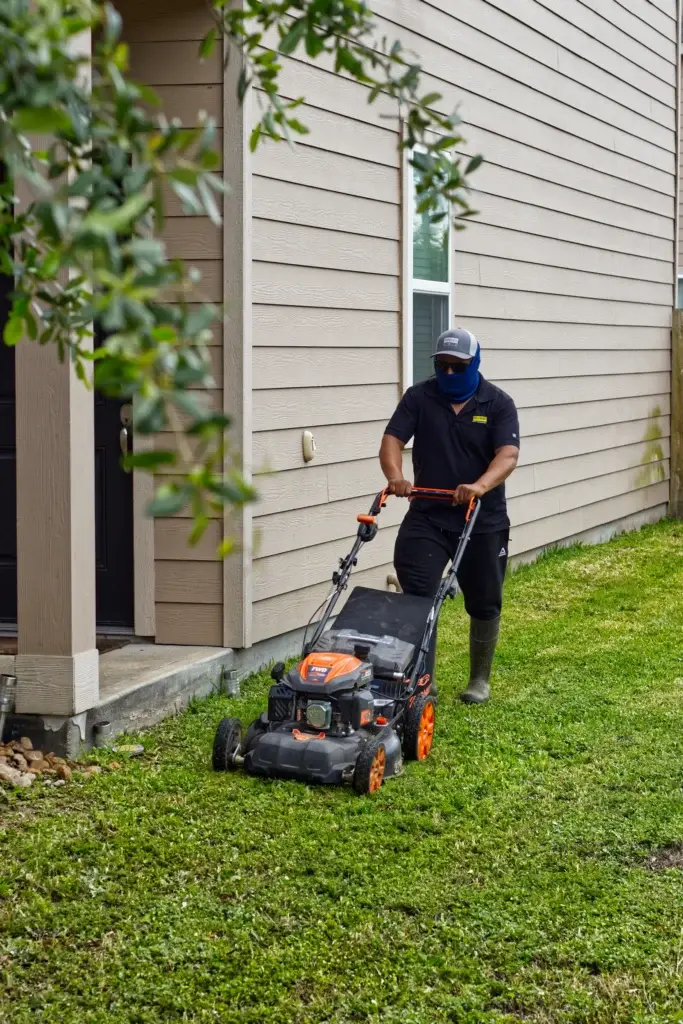
Rake the matted patches gently with a leaf rake as soon as the lawn dries enough to walk on. This lifts the blades, lets air in and breaks up the fungal mat. Most patches green up on their own within a few weeks. Bare spots that stay brown into late April can be lightly overseeded. Do not apply fungicide in spring. The disease is already finished by then.
- Wait for a dry day. Walking on soggy soil compacts it and makes things worse.
- Rake each patch lightly to fluff the grass. Do not scalp the crowns.
- Bag or compost the dead material if there is a lot of it.
- Mow at a normal height once the lawn starts growing.
- Watch the spots through April. Most fill in from the crowns.
- Overseed any patch still bare by late April with a matching seed.
- Feed the lawn in mid-May, not in March.
If you want a crew to handle the raking and seeding, our spring yard cleanup service includes it. For bigger bare areas, our seeding and sod team can patch the lawn so it blends in.
Do you need a fungicide for snow mold?
Almost never on a home lawn. Fungicides for snow mold only work as a preventive, applied in late fall before snow. They are meant for lawns with a history of serious damage, like golf greens or bentgrass. For a Peoria home lawn, raking, mowing and fall fertilizer timing solve the problem. Spending money on a spring fungicide treats a disease that has already stopped.
Extension guidance allows one to three preventive applications from late fall through early spring. That is for lawns with a known history. That advice is for lawns that lose grass every single year. If your lawn recovers each spring, skip it.
How do you prevent snow mold next winter?
Keep mowing until the grass stops growing in November, so it does not go into winter long and matted. Rake or mulch fallen leaves before the first snow. Skip late nitrogen fertilizer within six weeks of a hard freeze. Spread snow piles instead of leaving deep mounds in one place. Reduce thatch with core aeration in fall. Those habits remove the wet, cushioned conditions the fungus needs.
Keep mowing into November
Peoria lawns often keep growing into mid-November. Cut at a normal height until growth stops. Tall, floppy grass under snow is the number one cause of gray snow mold. Our fall lawn care checklist covers the last mow and the right timing.
Get leaves off before the snow
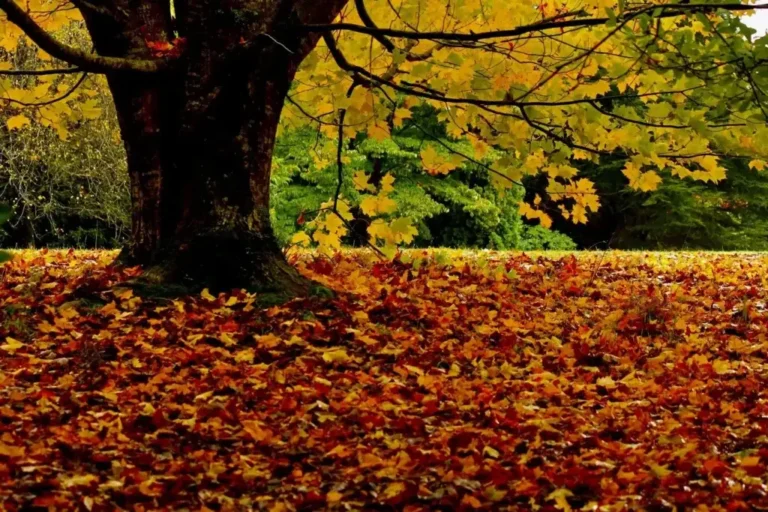
A layer of wet leaves under snow is a perfect mold blanket. Rake, mulch mow or bag leaves before the first lasting snow. Our leaf removal crews run through early December for this reason.
Watch your fall fertilizer timing
Fertilizer is good in fall, but the timing matters. A late nitrogen feed right before snow makes soft growth that molds easily. The Extension advises against nitrogen within about six weeks of a killing frost. In Peoria that means finishing the last feed by mid-October. See our fertilization program for the schedule we use.
Spread the snow piles
Deep piles from shoveling melt last and hold the fungus longest. Spread shoveled snow across the lawn instead of mounding it in one spot. If a plow service piles snow on your grass, ask them to push it onto the drive edge instead. Our snow removal team plans pile spots with this in mind.
Reduce thatch
A thick thatch layer stays wet and feeds the fungus. Core aeration in September or October breaks it up. It also helps grass seed take. Read more on our aeration and overseeding page.
Which grasses resist snow mold?
No cool season grass is immune, but some handle it better. Tall fescue and many newer Kentucky bluegrass varieties show less damage. Perennial ryegrass, annual bluegrass and bentgrass are the most vulnerable. If you overseed every year, pick a blend that leans on tall fescue and improved bluegrass. Our post on the best grass types for central Illinois covers the options.
For most Peoria yards the grass mix matters less than the fall habits above. A ryegrass lawn that is mowed short and leaf free in November usually does fine. See best grass type for central Illinois if you are planning a full reseed.
When should you reseed snow mold patches?
Give the lawn until late April. Most snow mold patches fill in from the surviving crowns once soil warms and growth starts. If a patch is still bare after a few weeks of growing weather, overseed it. Rake the spot, scatter seed, press it in and keep it moist. Spring seeding in Peoria should be done by mid-April so new grass can root before summer heat.
If you plan to put down crabgrass preventer, remember that most products stop grass seed too. Our guide to crabgrass preventer timing in Peoria explains how to handle both in the same spring.
What does snow mold repair cost?
Raking out a few patches is a small add on to a spring cleanup visit. Overseeding a handful of spots adds seed and a little labor. A lawn with heavy damage across large areas may need slit seeding or sod, which costs more. Most Peoria homeowners handle light snow mold themselves with a rake. Call a crew when the patches cover a big share of the lawn.
Snow mold mistakes we see most in Peoria
- Skipping the last two mows of November
- Leaving leaves under the first snow
- Fertilizing with nitrogen right before winter
- Piling all the shoveled snow on one patch of grass
- Raking soggy lawns in early March and compacting the soil
- Buying fungicide in April for a disease that has already stopped
- Reseeding too early and then applying crabgrass preventer over it
Your next step
Back to that lawn near Glen Oak Park. The patches were raked on a dry Saturday in mid-March. By the last week of April the grass had filled in with no seed at all. The homeowner now mows into November and spreads the snow piles. That is how you handle snow mold on a Peoria lawn.
Want help with spring cleanup or a fall program that prevents snow mold? We serve Peoria, East Peoria, Peoria Heights, Dunlap and nearby towns. Call (309) 324-8084 or request a free written estimate. For month by month timing, see the Peoria lawn care calendar or the Peoria landscaping FAQ. Where do the snow piles end up in your yard?
Snow mold questions from Peoria homeowners
What does snow mold look like on a lawn?
Round, matted patches of gray, tan or pinkish grass that appear as the snow melts. Gray patches can be a few feet wide. Pink ones are smaller with a reddish edge.
Does snow mold kill grass?
Usually not. It kills the blades but the crowns survive. Rake the patches and most will green up in a few weeks. Pink snow mold can hurt crowns in a bad year.
How do I get rid of snow mold?
Rake the matted patches once the lawn is dry enough to walk on. Mow normally once growth starts. Overseed any spots still bare by late April.
Should I put fungicide on snow mold in spring?
No. Fungicides only work as a late fall preventive. By spring the disease has already stopped, so a treatment wastes money.
Why does snow mold show up along my driveway?
Shoveled and plowed snow piles there, melts last and stays wet longest. Spread piles across the lawn instead of mounding them.
Can snow mold happen without snow?
Pink snow mold can. It grows in any cold, wet stretch between fall and spring. Gray snow mold needs lasting snow cover.
When should I stop mowing in fall in Peoria?
Keep mowing until the grass stops growing, usually mid-November. Long grass under snow is the main cause of gray snow mold.
Does fall fertilizer cause snow mold?
Late nitrogen does. Finish nitrogen feeding at least six weeks before a hard freeze, which means mid-October in Peoria.
Which grass is most resistant to snow mold?
Tall fescue and improved Kentucky bluegrass varieties hold up best. Perennial ryegrass and bentgrass are the most vulnerable.
Is snow mold harmful to pets or people?
It is a turf fungus, not a health hazard in normal yard use. Rake it out and let the lawn dry. People with mold allergies may want to wear a mask while raking.