Vole Damage in Your Lawn After Snow Melts: Voles vs. Moles in Peoria, IL
The snow finally pulls back from a yard off Sheridan Road in early March. Underneath, the lawn looks like someone drew a maze on it. Narrow brown trails wind between the shrubs and across the front yard. Most people blame moles. Nine times out of ten, that is vole damage in the lawn.
Voles are small rodents that chew grass runways under the snow all winter. Their damage shows up as winding surface trails one to two inches wide, often with clipped grass and small droppings. Moles tunnel underground and push up raised ridges and dirt mounds. Vole trails usually regrow by early summer. Girdled young trees may not.
This guide covers how to tell voles from moles and how to repair the lawn. It also shows how to protect trees and shrubs before the next Peoria winter. We see this damage every spring from Peoria Heights down to Bartonville.
Voles vs moles: how to tell which one you have
Both animals work out of sight, so you identify them by the mess they leave. The differences are clear once you know what to look for.
| Sign | Voles | Moles |
|---|---|---|
| What you see | Winding surface trails 1 to 2 inches wide in the grass | Raised ridges you can feel underfoot, plus volcano-shaped dirt mounds |
| When it shows | As snow melts in late winter and early spring | Spring through fall, worst in wet weather |
| What they eat | Grass blades, roots, bulbs, bark | Grubs, earthworms, insects. Not plants |
| Grass condition | Clipped short, sometimes chewed to the crown | Grass dies from roots being lifted, not eaten |
| Holes | Small 1 to 1.5 inch openings along the trails | No open holes on the surface |
| Tree damage | Chewed bark at the base of trunks | None |
| Winter activity | Very active under snow | Inactive, tunnels deeper |
One more clue. Moles are inactive in winter. If damage appears the moment the snow goes, it was voles. Mole ridges show up later, usually in April when the soil softens and earthworms move up.
What do voles look like, and why Peoria has so many?
Voles look like stocky mice with short, stubby tails and small ears. They run about 4 to 6 inches long. Illinois has three species, and meadow voles are the common one across central Illinois.
They thrive in Peoria because our winters give them exactly what they want. Snow cover hides them from hawks and owls. Tall grass, thick mulch, and ground cover along the Illinois River bluffs give them food and shelter. A single pair can produce several litters a year. A small population in fall becomes a big one by March.
How to repair vole damage in the lawn this spring
Rake the trails lightly to remove dead grass and droppings, then let the lawn grow. Most vole runways fill in on their own by June because the roots were not killed. For trails that stay bare into May, scratch the soil and sprinkle grass seed. Cover lightly with compost and keep it moist for two weeks.
Do not fertilize the trails early to speed them up. That just feeds the surrounding grass. A normal mid-May feeding is enough. If large areas were chewed to the crown and show no green by mid-May, overseed those spots the same way.
When the damage is worse than it looks
Voles sometimes chew roots as well as blades. Pull gently on the brown grass in the trail. If it comes up with no roots, that patch needs seed. If it holds firm, it will recover. Our spring yard cleanup service includes raking out vole trails and seeding bare spots.
The bigger risk: girdled trees and shrubs
Lawn damage is cosmetic. Tree damage is not. Under the snow, voles chew bark at the base of young trees and shrubs. If they strip the bark all the way around the trunk, the tree is girdled. Water and nutrients can no longer move up, and the tree dies, often not until summer.
Newly planted shade trees, fruit trees, and young maples are the most common victims in Peoria. Check every young tree in March. Pull back mulch and look for chewed, pale wood near the soil line. Partial damage can heal. A full ring cannot.
How to keep voles out of your yard next winter
Vole control starts in October, not March. Everything on this list removes food or cover, which is what voles need to survive winter.
- Keep mowing until the grass stops growing, with a final cut at about 2 inches in late fall. Tall grass under snow is a vole highway.
- Pull mulch 3 inches back from every tree trunk and shrub stem. Mulch against the trunk is a warm vole tunnel.
- Put hardware cloth collars around young trees. Use quarter-inch mesh, bury it 2 inches, and extend it 18 inches up the trunk.
- Clean up leaf piles, brush, and tall weeds near the house and along fences.
- Move bird feeders away from beds, or pause feeding if voles are a problem. Spilled seed draws them in.
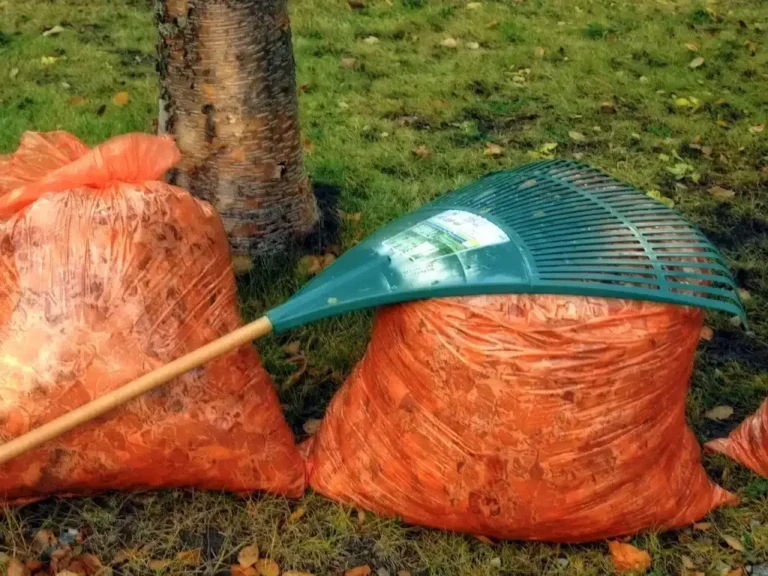
- Rake leaves off the lawn before snow. A matted leaf layer is cover for voles and a cause of snow mold.
- Leave some natural cover at the far edges of the property for hawks, owls, and snakes that hunt voles.
What about traps, baits, and repellents?
Snap traps set along active runways work for small problems. Place them at right angles to the trail with a bit of apple or peanut butter. Toxic baits exist but can harm pets, birds of prey, and other wildlife. We do not recommend them in residential yards. Repellents have mixed results and wash off with snowmelt.
What to do about moles if that is what you have
If you have raised ridges and mounds instead of surface trails, you have moles. They are hunting grubs and earthworms, not eating your plants. Press the ridges back down with your foot or a roller and the grass usually survives.
Treating grubs removes part of their food source. Our grub control page covers the timing. Mole traps set in active main runs are the most reliable fix. Poison peanuts and vibrating stakes rarely do much.
How this connects to the rest of winter yard care
Vole damage, snow mold, and road salt injury often show up together in the same March lawn. Our guide on snow mold in Peoria lawns explains the gray and pink patches. The road salt damage guide covers brown strips along the driveway and street.
The fall lawn care checklist includes the late mowing and leaf cleanup that stop most vole problems before they start. For evergreens that browned over winter, read about winter burn on evergreens.
Vole and mole questions from Peoria yards
What does vole damage look like in a lawn?
Winding brown trails one to two inches wide running across the surface of the grass, usually revealed as snow melts. The grass in the trails is clipped short. You may see small holes along the paths and tiny droppings. There are no raised ridges or dirt mounds.
How do I tell vole damage from mole damage?
Voles leave flat surface trails in the grass and chew plants. Moles leave raised ridges you can feel underfoot and cone-shaped dirt mounds, and they eat grubs and worms. Damage that appears right as snow melts is almost always voles, since moles are inactive in winter.
Will vole trails in my lawn grow back?
Usually yes. Voles mostly chew the blades, and the roots survive. Rake the trails and most fill in by early summer. Spots that are still bare in May should be scratched up, seeded, and kept moist for two weeks.
Do voles damage trees?
Yes, and this is the serious part. Under snow, voles chew bark at the base of young trees and shrubs. A trunk stripped all the way around is girdled and will likely die. Check young trees every March and protect them with mesh collars each fall.
How do I get rid of voles in my yard?
Remove food and cover. Mow short before winter, pull mulch away from trunks, clean up leaves and brush, and move bird feeders. Snap traps on active runways handle small populations. Avoid poison baits in yards with pets or wildlife.
When are voles most active?
All year, but the damage you notice happens in winter under snow cover. Snow hides them from predators, so they feed freely on grass and bark. That is why trails appear as soon as the snow recedes.
Should I fertilize vole-damaged areas?
Not early. Let the trails recover naturally, then feed the whole lawn on the normal mid-May schedule. Extra fertilizer on the trails mostly feeds the surrounding grass and can burn the thin spots.
Does mulch attract voles?
Thick mulch piled against trunks does. It gives them cover and a warm place to chew bark. Keep mulch 3 inches away from every trunk and stem, and no deeper than 2 to 3 inches in beds.
Do cats or dogs keep voles away?
Cats and some dogs catch voles and may reduce numbers in a small yard. They rarely solve a real problem. Habitat changes like short grass, less mulch at trunks, and leaf cleanup do more over a whole winter.
Are vole and mole problems common in Peoria?
Yes. Central Illinois has heavy snow years, lots of mulched beds, and rich soil full of earthworms. That combination supports both animals. Vole damage shows every spring, and mole activity peaks in wet springs and falls.
Your next step
Walk the yard as soon as the snow is gone. Rake the vole trails, check every young tree trunk for chewed bark, and note where the damage was worst. That is where to focus fall prevention.
If the lawn needs seeding or a tree needs a look, our crew can handle it during spring cleanup. Call (309) 324-8084 or request a free quote. Vole damage in the lawn is annoying but fixable. A girdled tree is the part worth preventing.